
Call us now :08045802271
 Send Inquiry
 Send Inquiry
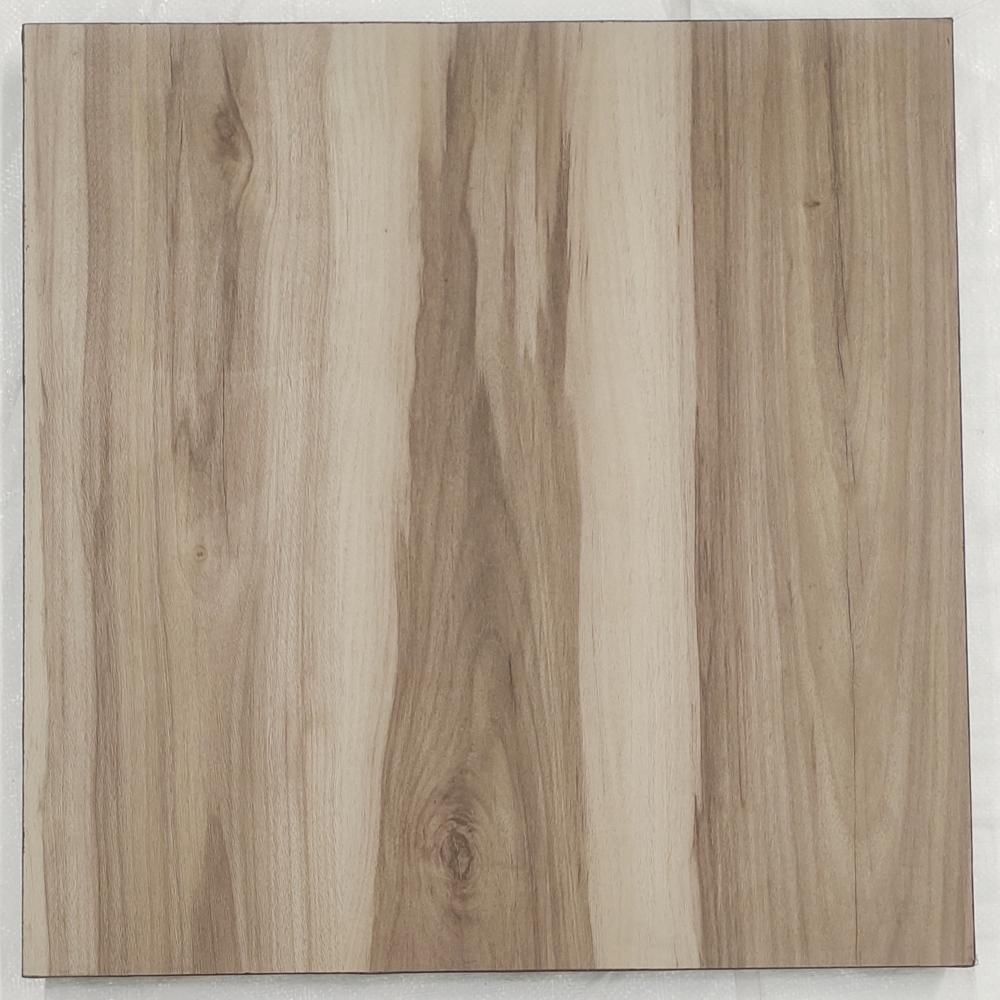
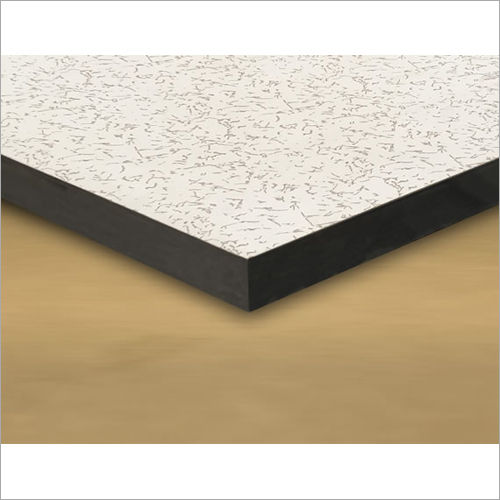
Calcium Sulphate Raised Flooring
Price 330.00 INR/ Square Foot
MOQ : 250 Pieces
Calcium Sulphate Raised Flooring Specification
- Color
- any
- Color Family
- any
- Shape
- square
- Type
- Other
- Material
- Metal
- Metals Type
- Steel
- Technics
- Laminate Flooring
- Thickness
- 33 Millimeter (mm)
- Size
- Different Size Available
Calcium Sulphate Raised Flooring Trade Information
- Minimum Order Quantity
- 250 Pieces
- FOB Port
- Mumbai & Mundra
- Payment Terms
- Cash in Advance (CID)
- Supply Ability
- 5000 Pieces Per Month
- Delivery Time
- 7 Days
- Sample Available
- No
- Sample Policy
- Free samples are available
- Packaging Details
- Corrugation / Shrink Wrap / Pallets
- Main Domestic Market
- All India
- Certifications
- All Fire and all load tests
About Calcium Sulphate Raised Flooring
CALCIUM SULPHATE SPECIFICATIONS
Made up of a 30 mm/35 mm thick single ply mineral core formulated with high-density calcium sulphate (0 class according to D.M. 26/06/84), bonded with fibres featuring remarkable mechanical resistance and entirely free of wood particles. Edge of Panel is provided with a 0.45 mm thick plastic edge material that is self-extinguishing, non-creaking and PVC free
Finishes:
The top finish is with 1mm Anti-Static High-Pressure Laminates are highly recommended for Server and Control rooms serving the purpose of dissipating static electricity which is generally formulated in these types of control rooms.
Depending upon the requirement, The top finish can be made with a variety of Vitrified tiles, Carpets, stones, decking wood and many others.
The lower face of the panel can be protected by a waterproof film0.05 mm thick aluminium foil applied on lower face creating an excellent fire and humidity barrier guarding against fire and moisture, and an equipotential reinforcement for the purpose of maintaining the floorings electrical continuity properties.
OR
To improve flexural stiffness and overall mechanical resistance, backing is in a 0.5 mm thick galvanized steel sheet on the lower face. This also provides an excellent barrier against fire and moisture, and an equipotential reinforcement for the purpose of maintaining the floors electrical continuity properties
Superior Durability and Strength
Our calcium sulphate raised flooring integrates robust steel components with a laminate surface, providing significant resistance to heavy loads, daily wear, and moisture. The 33 mm panel thickness enables optimal strength, making it suitable for high-traffic areas and spaces requiring underfloor services.
Customizable Size and Appearance
These square panels are available in a variety of sizes and colors, aligning seamlessly with different aesthetic and functional requirements. From modern office layouts to specialized industrial environments, the versatile design allows for tailored installations that enhance the visual appeal of any space.
FAQ's of Calcium Sulphate Raised Flooring:
Q: How is calcium sulphate raised flooring installed?
A: Calcium sulphate raised flooring is installed by assembling square panels-each made with a steel frame and calcium sulphate core-onto an adjustable pedestal system. This method provides a stable, elevated surface while allowing ease of access to cabling and utilities beneath the floor.Q: What are the primary benefits of choosing calcium sulphate raised flooring with laminate finish?
A: This flooring system delivers outstanding load-bearing strength, fire resistance, and durability, complemented by a surface that resists scratches and stains. The laminate finish adds both aesthetic appeal and practical maintenance advantages for busy environments.Q: When is it most appropriate to use calcium sulphate raised flooring?
A: This flooring is ideal for spaces like data centers, offices, and control rooms where frequent reconfiguration and underfloor cable management are required. Its sturdy build supports heavy equipment and high foot traffic, making it suitable for both new constructions and renovations.Q: Where in India can I source these raised flooring systems?
A: You can obtain calcium sulphate raised flooring from various Indian suppliers, including manufacturers, distributors, exporters, importers, and service providers. Products are available for nationwide delivery to cater to residential, commercial, and industrial projects.Q: What is the process for ordering customized panel size and color?
A: To order customized panels, specify your required size and color preferences to the supplier. The manufacturer will accommodate these specifications based on their available options, ensuring your flooring system aligns perfectly with your design goals and technical needs.Q: How should calcium sulphate raised floors be maintained for longevity?
A: Routine cleaning with non-abrasive agents and periodic inspection of panel and pedestal integrity help maintain surface quality and structural stability. Avoid excessive moisture exposure and address any visible damage promptly to extend the floor's service life.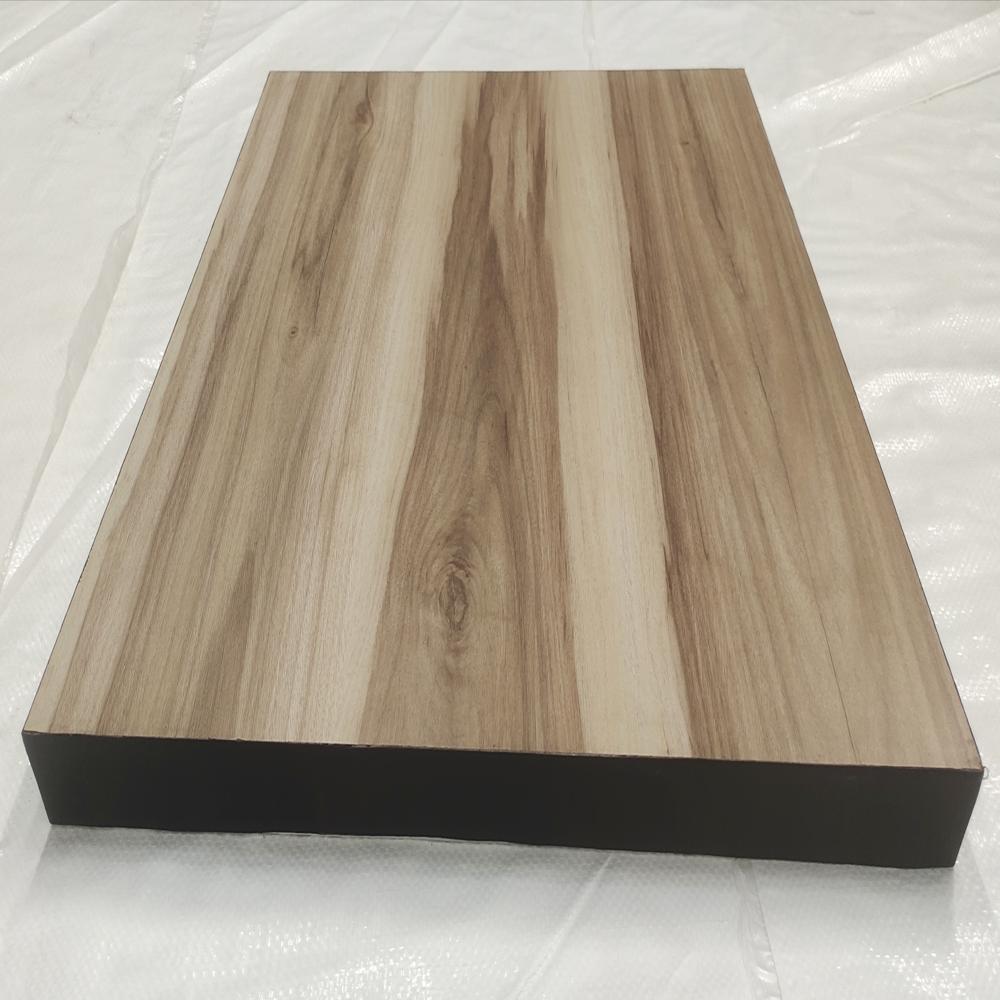
Tell us about your requirement

Price:
Quantity
Select Unit
- 50
- 100
- 200
- 250
- 500
- 1000+
Additional detail
Mobile number
Email

More Products in Raised Floors Panels Category
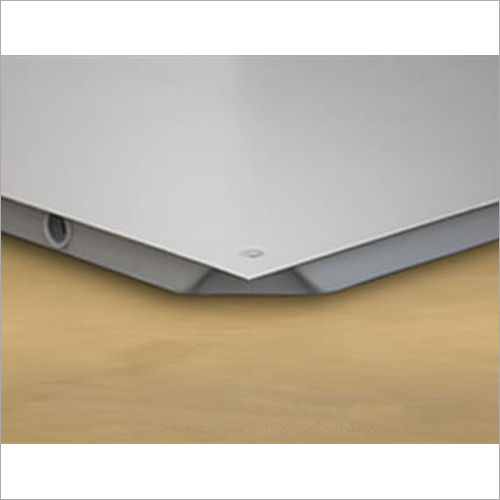
Corner Lock Bare Tiles Floor Panels
Minimum Order Quantity : 20 Square Foots
Surface Treatment : Other, Unfinished / Bare
Type : Wood Flooring
Color : Bare / Silver Gray
Feature : Other, High Durability, Easy Installation, AntiSlip, Reusable, EcoFriendly
Metals Type : Steel
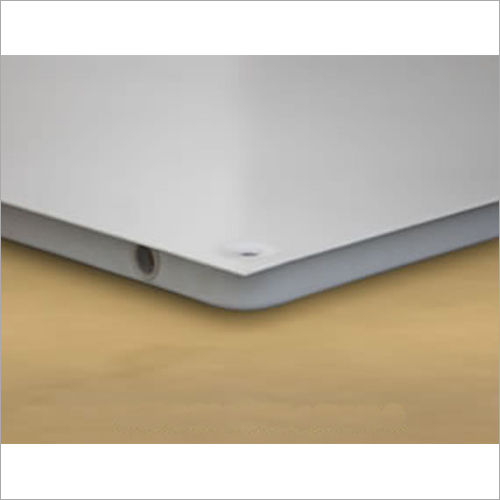
Screw Down Bare Tiles Floor Panels
Minimum Order Quantity : 20 Square Foots
Surface Treatment : Polished Tiles
Type : Ceramic Flooring
Color : Grey
Feature : Rustic Tiles

Ceramic Vitrified Tile Top Floor Panels
Minimum Order Quantity : 20 Square Foots
Surface Treatment : Polished Tiles
Type : Ceramic Flooring
Color : Grey
Feature : Rustic Tiles
Anti Static Laminate Top floor Panels
Minimum Order Quantity : 20 Square Foots
Surface Treatment : Natural Color
Type : Wood Flooring
Color : White
Metals Type : Steel

 Send Inquiry

Our Products


614, Raheja Centre, Free Press Journal Marg, Nariman Point,Mumbai - 382213, Maharashtra, India

Mr Vishal
(Director)
Mobile :08045802271
Mr. Rohan Donald
(Sales Manager)
Mobile :08045802271
Mr. Rajat Parakh
(Director)
Mobile :08045802271
 Send Inquiry
 Send SMS
 Call Me Free
Developed and Managed by Infocom Network Private Limited.
